
Ensuring Seamless Movement of Assets Across Supply Chains & Industries
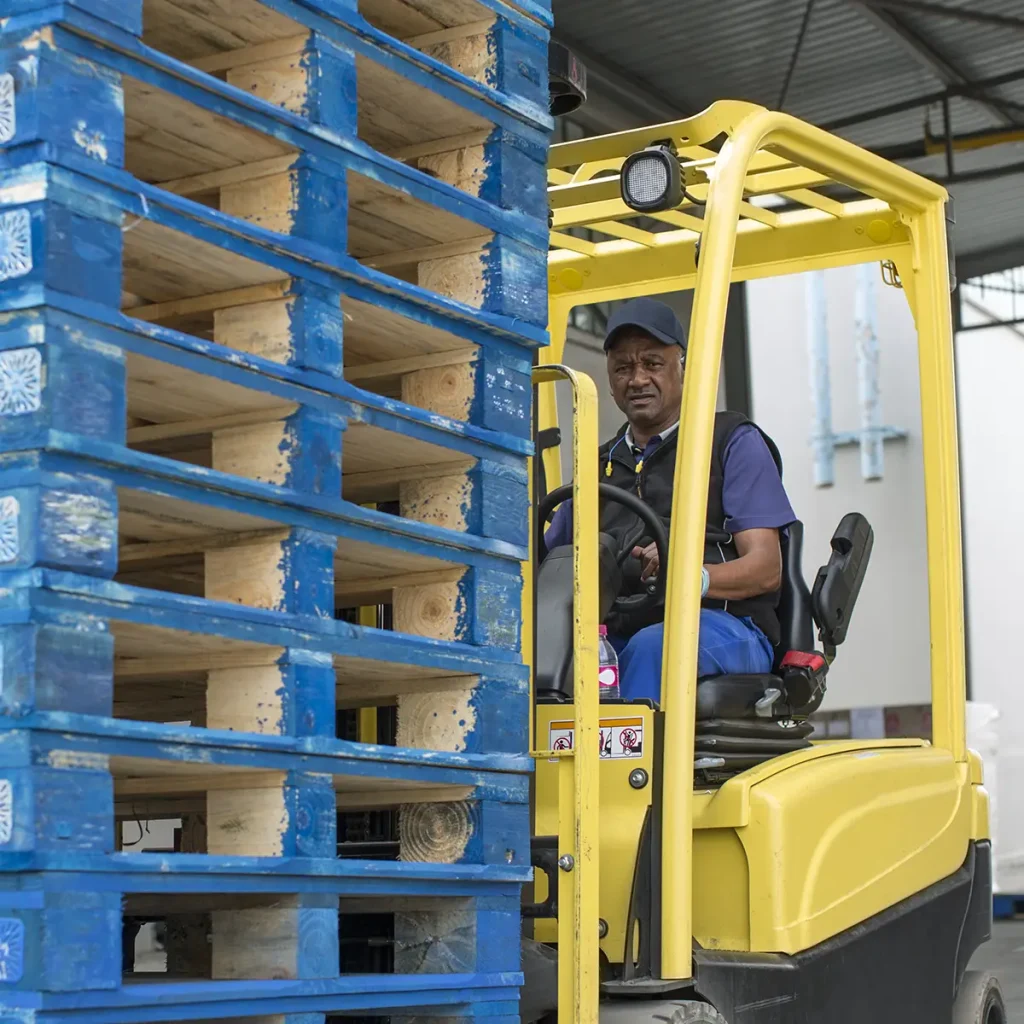
Our Equipment Pooling Division uses tailored logistics solutions for pallet pooling networks and reusable packaging providers. We work with the leading pallet and container pooling companies, across the UK and Europe, to ensure the seamless movement of assets across supply chains and industries, optimising efficiency and minimising waste.
We deploy a large, flexible fleet, offering nationwide collection and redistribution services
Expertise
- Nationwide collection and redistribution
- Support for pooled pallet and container systems
- Closed-loop logistics solutions
- Time-sensitive asset recovery and repositioning
- Flexible capacity for seasonal and peak requirements
Tommy Hare | High Risk Recovery Team Leader at Chep

We are proud of our strong relationship with BWD, they have continued to use their knowledge of our market to proactively, and consistently, deliver beyond our service expectations over the last 12 months. With driver productivity rates recently exceeding our target by almost 25%, Barron Wood Distribution continues to deliver exceptional performance.
Pallet pooling involves collecting pooled pallets from locations where they are no longer required and redistributing them to where demand exists. Effective transport and coordination are essential to keep pallets moving through the network and maintain availability across the supply chain. We support leading pallet pooling companies with collection and redistribution services across the UK and Europe.
Closed-loop logistics manages the movement of assets or products through a cycle rather than treating each delivery as a one-way journey. In equipment pooling, this can involve collecting reusable pallets, containers or other assets, returning them to the pooling network and repositioning them for their next use.
Recovering and repositioning reusable assets helps prevent equipment from becoming stranded in the wrong location. For pooling networks, timely recovery can help maintain asset availability, improve circulation, and reduce unnecessary waste and inefficiency across the supply chain.